
After Our Pacific Northwest Tourism Outlook, DMOs Responded:
After publishing our Pacific Northwest Tourism Outlook 2026, Where To Eat Guide reached out to destination marketing organizations for additional insight into what they are seeing in their markets and what local restaurants, hotels, tasting rooms, attractions, and hospitality businesses should be preparing for next.
The original article focused on one central idea: hotel guests and visitors remain one of the most valuable audiences for restaurants, especially when those visitors are actively deciding where to eat, drink, gather, celebrate, and explore.
The responses we received from DMO partners reinforced that point, but added important nuance. Across Oregon and Central Oregon, the strongest themes were clear: authentic local experiences, wellness travel, outdoor recreation, creative partnerships, sports tourism, and stronger relationships between businesses and local destination organizations.
For restaurants, the takeaway is simple. Tourism is not only about visitor counts. It is about being part of the visitor experience at the moment they are looking for something memorable.
Oregon Hospitality Leaders See Opportunity in Authentic Local Experiences
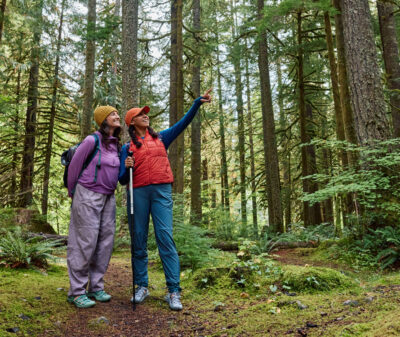
One of the clearest statewide messages came from a representative for Oregon Restaurant & Lodging Association, who pointed to the growing value of authentic local experiences and exceptional service.
“Over the next 12 to 24 months, we see opportunities for Oregon's hospitality businesses to capitalize on travelers' growing interest in authentic local experiences and destination travel. Businesses that continue investing in their employees and delivering exceptional customer service will be best positioned to succeed.”
That response gets to the heart of where the visitor economy appears to be heading. Travelers are not simply looking for the closest available meal. They are looking for something that feels connected to the place they are visiting.
For restaurants, that may mean highlighting regional ingredients, telling the story behind a dish, training staff to act as ambassadors, partnering with hotels, or creating an experience that gives travelers a reason to remember the meal after the trip is over.
The restaurants that win visitor attention in 2026 will likely be the ones that are easy to recommend and hard to forget.
Related resource: Travel Oregon Industry Resources
Central Oregon: Visit Bend Points to Wellness, Culinary Experiences, and Dark Sky Tourism
In Central Oregon, Visit Bend identified wellness travel as one of the most important trends shaping the destination in 2026.
“We continue to see really strong growth in interest in wellness offerings, which have expanded beyond the traditional spa experiences. These might look like digital detoxes, outdoor experiences, or unique culinary experiences.”
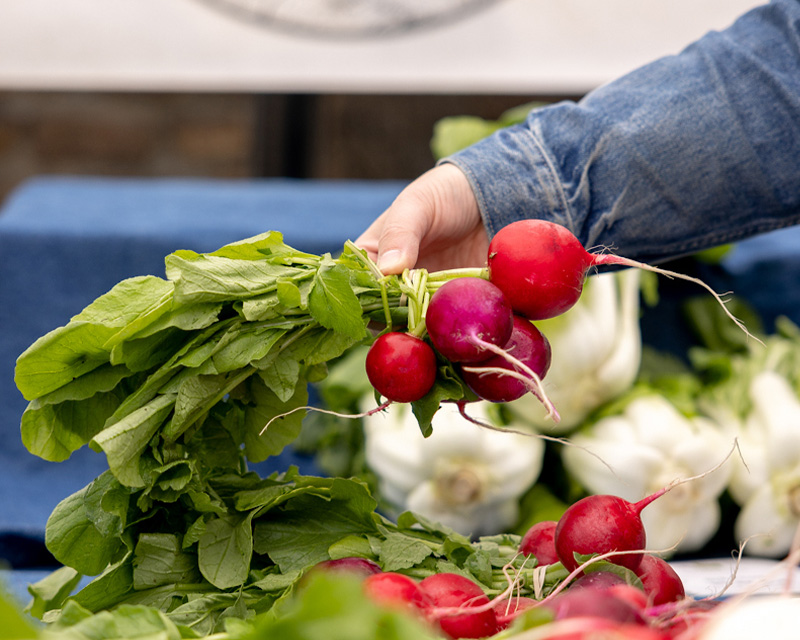
This is an important evolution for restaurants in Bend, Sisters, Redmond, Sunriver, and the surrounding Central Oregon market. Wellness travel is no longer limited to spa treatments or resort packages. It can include a slow breakfast after a sunrise hike, a locally sourced dinner, a food experience tied to outdoor recreation, alcohol-free pairings, or a meal that feels restorative rather than rushed.
Visit Bend also noted that leisure travel is showing strong demand.
“This summer we are seeing the strongest growth in our leisure segment. Even with downward pressure on rates, we are still seeing strong demand and volume.”
That is good news for local hospitality operators, but it also means competition for visitor attention remains high. When travelers have more choices, clarity matters. Restaurants should make it easy for visitors and hotel teams to understand what makes them special, whether that is a patio, local sourcing, mountain views, private dining, breakfast, late-night options, family-friendly service, or a signature culinary experience.
Creative Culinary Partnerships Are a Real Opportunity
Visit Bend also pointed directly to the value of partnerships and experience-based dining.
“As more travelers desire experiences over material things, offering unique culinary experiences is a great opportunity to tap into current demand. Partnering with local food vendors to create unique dishes, dining experiences, etc. will create a unique appeal.”
They added that restaurants are finding success with creative pairings such as food connected to a guided outdoor experience, including hikes, dark sky viewing, or mountain-top sunset dinners.
That insight should matter to every Central Oregon restaurant. The dining room is still important, but it is no longer the only place where a restaurant can create value. A restaurant can become part of a larger itinerary, a hotel package, a guide-led experience, a seasonal event, or a visitor memory that starts before the guest ever walks through the door.
Dark Sky Tourism Is Growing in Central Oregon
Visit Bend also highlighted the growing interest in Central Oregon’s dark sky certifications.
“We have seen incredible growth in the interest in our dark sky certifications in Central Oregon. We love that this is a unique way to engage as a tourist, and it is also relatively low impact, tying back into our leave no trace efforts. We expect this trend to continue to grow along with demand for these unique experiences.”
For restaurants, bars, cafes, resorts, and hotels, this creates a new kind of opportunity. Think early dinner before a night sky outing, picnic boxes, warm drinks after stargazing, dessert and coffee service, hotel-and-dining packages, or partnerships with guides and outdoor experience providers.
Visit Bend’s advice to operators was direct:
“Get creative and to think outside the box. This sounds cliche, but every time a say it, I see a business come up with a really unconventional partnership to get their product into a new space, in front of a new audience, etc. and it usually pays off for them.”
The larger message is clear. Businesses that wait for visitors to find them may miss the next wave of demand. Businesses that build partnerships around the way visitors want to experience Central Oregon will be better positioned for the next 12 to 24 months.
Related resource: Visit Bend

Salem and the Mid-Willamette Valley: Outdoor Recreation, Sports Tourism, and Wellness Are Building Momentum
Travel Salem’s response pointed to outdoor recreation as a continued strength for the region.
“The continued interest in outdoor attractions impacts our region in a positive way. It obviously surged during and just after COVID but continues to bring visitors to our region - particularly during the summer and fall - who want to enjoy the hundreds of hiking trails, water activities, mountain biking and road cycling opportunities and more in the region.”
This matters for Salem-area restaurants because outdoor visitors still need meals, coffee, snacks, cocktails, group dining, family-friendly options, and post-adventure recommendations. The region’s position along I-5, combined with access to the Willamette Valley, Silver Falls, the Santiam Canyon, state government travel, sports events, and downtown activities, gives hospitality businesses multiple visitor segments to reach.
Sports Tourism Continues to Grow
Travel Salem also identified sports tourism as a growing segment.
“Sports tourism continues to grow nationwide and interest and bookings in the Salem region from sporting groups has grown over the past few years. I think our region's temperate climate, accessible location right off of I-5 and the fact that we’re a small to mid-sized market is appealing.”
For restaurants, this is one of the most practical opportunities in the visitor economy. Sports groups need team meals, parent gatherings, private rooms, quick service, flexible menus, early hours, and reliable information. A restaurant that can serve a team, welcome traveling families, or coordinate with hotels and event organizers can turn a weekend tournament into meaningful revenue.
Travel Salem also shared that two additional hotels are expected to open in Salem this year, broadening the lodging choices available to travelers. More hotel rooms can mean more overnight visitors, more front desk recommendations, and more opportunities for restaurants that are visible to hospitality teams.
Wellness Tourism Fits the Salem Region
Travel Salem also connected the region to the broader wellness travel trend.
“As the wellness tourism trend continues to grow, the Salem region is perfectly poised to meet this demand, being home to key attractions including Silver Falls State Park, Oregon’s largest state park and home to the Trail of Ten Falls; Breitenbush Hot Springs in the Santiam Canyon area; and the 1,300+ acre urban park system that runs through the heart of downtown Salem.”
This creates room for restaurants and hospitality businesses to think differently about wellness travelers. These visitors may be looking for fresh food, local products, thoughtful hospitality, peaceful spaces, mocktails, outdoor patios, easy access to parks, or a meal that feels like part of a restorative trip.
Travel Salem’s Advice: Get to Know Your DMO
When asked what local hospitality operators should do to prepare for the future of tourism, Travel Salem offered advice that every restaurant should take seriously.
“Get to know your local DMO. Sign up for their industry communications, attend networking events, take advantage of webinars and marketing opportunities. I know everyone’s extremely busy but making that connection and explaining what you have to offer can help the DMO match you with potential opportunities.”
That may be the most actionable advice in the entire conversation. Destination marketing organizations are often the connection point between visitors, media, meeting planners, sports groups, tour operators, hotels, and local businesses. If a restaurant wants to be considered for group meals, press visits, visitor itineraries, event support, or hospitality referrals, the DMO needs to know who they are and what they can offer.
Related resource: Travel Salem
What These DMO Responses Mean for Restaurants
The DMO responses reinforce several important themes from our original tourism outlook.
- Experience matters. Visitors are looking for memorable, local, authentic experiences, not just transactions.
- Wellness is expanding. It now includes outdoor recreation, food, digital detox, dark skies, and restorative travel.
- Partnerships are becoming more valuable. Restaurants can grow by connecting with guides, hotels, local vendors, attractions, wineries, events, and DMOs.
- Sports and group travel deserve attention. Team meals, private dining, easy logistics, and hotel referrals can create repeatable revenue.
- Hospitality still wins. Exceptional service and staff investment remain central to standing out.
- Visibility at the moment of decision is critical. Travelers are still asking hotel staff, visitor centers, concierges, and local guides where to eat.
The opportunity for restaurants is not simply to advertise harder. It is to become easier to recommend.
That means clear menus, current hours, reservation links, group dining details, strong photography, staff training, hotel relationships, DMO connections, and a clear story about what makes the restaurant worth visiting.
Tourism is often measured in room nights and visitor spending. Restaurants experience it in covers, referrals, and repeat word-of-mouth. The connection between the two is hospitality visibility.
Where To Eat Guide’s Takeaway
The Pacific Northwest tourism economy is changing, but it is not slowing down in the ways that matter most for restaurants.
Visitors are still arriving. They are still dining out. They are still asking for recommendations. But they are also becoming more intentional about what they choose.
That creates an opening for restaurants that can offer more than a meal. The strongest opportunities heading into 2026 may belong to the businesses that understand how to connect food, place, hospitality, and experience.
Whether that means a stargazing dinner in Central Oregon, a post-hike meal near Salem, a hotel-recommended dinner in Portland, a cruise guest lunch in Seattle, a business traveler dinner in Boise, or a wine country experience in Napa Valley, the principle is the same.
Be visible where visitors are making decisions.
Be clear about what makes you worth recommending.
And keep investing in hospitality.
Final Thoughts:
The strongest message from these DMO responses is that the future of tourism belongs to businesses that stay connected, stay creative, and continue delivering memorable local experiences.
For restaurants and hospitality operators, the opportunity is not just to serve visitors once they arrive. It is to become part of the reason they remember the destination.
We are still hoping to hear back from the remaining partners we contacted and will continue updating this article as additional destination insights are received.
Explore Where To Eat Guide
Where To Eat Guide connects travelers, hotel guests, concierges, front desk teams, visitor centers, and tourism partners with trusted local dining recommendations throughout the Pacific Northwest and West Coast.